
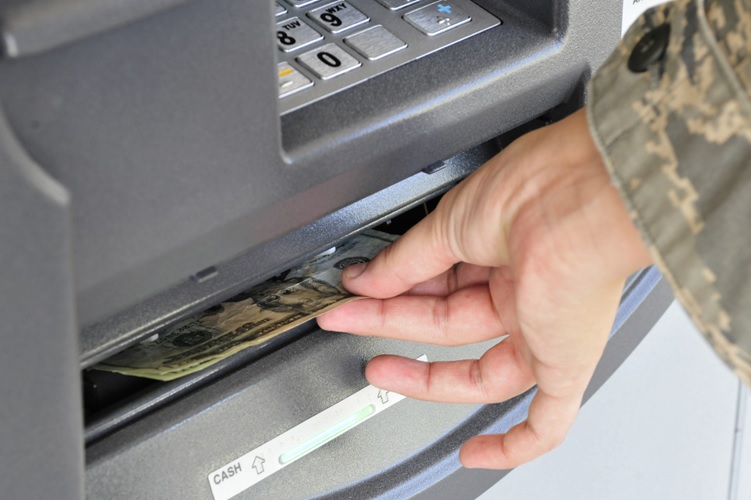
Installing an ATM at your business can give customers convenient access to cash while creating an additional source of revenue through surcharge income. However, the cost of getting an ATM up and running involves more than simply purchasing the machine.
Businesses should account for the ATM itself, installation, connectivity, cash loading, maintenance, processing, security, insurance, and possible site improvements. The total investment can vary considerably depending on the type of ATM, location, transaction volume, and whether you purchase and operate the machine yourself or use a third-party ATM provider.
Understanding these expenses before installation can help you build a realistic budget and determine whether an ATM makes financial sense for your business.
ATM Machine Cost
The ATM itself is usually the largest upfront expense. In 2026, a new commercial ATM can commonly cost several thousand dollars, with the final price depending on the model, features, security technology, and manufacturer.
Rather than focusing only on the purchase price, consider what is included with the machine and whether it meets your business’s operational requirements.
Important factors include:
- ATM type: Freestanding, through-the-wall, and other configurations can have different purchase and installation requirements.
- Security features: Modern ATMs may include encrypted PIN pads, anti-skimming protections, secure locks, alarms, and other security measures.
- Cash capacity: Machines with larger cash cassettes can reduce the frequency of replenishment but may cost more initially.
- Connectivity: The ATM needs a reliable and secure communication method to process transactions.
- Warranty and support: A longer warranty or service agreement can increase the upfront or recurring cost but may reduce unexpected repair expenses.
- Brand and model: Prices vary between manufacturers and configurations.
- Accessibility: The selected machine and its installation should accommodate applicable accessibility requirements.
The best ATM is not necessarily the least expensive machine. A lower-cost model can become more expensive over time if it requires frequent repairs, has limited cash capacity, or lacks the security and support features your location needs.
ATM Installation Costs
Buying the ATM is only one part of the initial investment. You may also need to pay for professional installation.
Installation costs depend heavily on the location and whether the site is already prepared for an ATM.
Potential expenses include:
- Delivery and setup
- Electrical work
- Data or network connectivity
- Wall or surface modifications
- Through-the-wall installation
- Anchoring and physical security
- Signage
- Accessibility-related site adjustments
- Permits or inspections, where required
- Labor for installation and testing
A simple indoor placement may require relatively little site work, while a through-the-wall ATM or a new exterior installation can require substantially more preparation.
Before committing to a location, have the site evaluated so you know whether electrical, structural, security, or accessibility work will be necessary.
Cash Loading Is a Major Part of the Budget
One expense that is often overlooked is the cash stored inside the ATM.
An ATM operator needs enough cash in the machine to meet customer demand without keeping an unnecessarily large amount of money inside it. The appropriate cash level depends on transaction volume, withdrawal patterns, denomination requirements, and how frequently the machine can be replenished.
For example, a business with heavy weekend traffic may need substantially more cash available before a busy period than a location with relatively low transaction volume.
Cash management can be handled by the ATM owner, the business, a cash-management service, or another authorized provider, depending on the operating arrangement.
When creating your budget, separate cash inventory from your actual equipment expense. The money loaded into the ATM is working capital rather than a permanent cost of purchasing the machine.
ATM Processing and Connectivity Fees
Every ATM needs access to the appropriate transaction-processing network and a reliable communication connection.
Depending on your arrangement with an ATM processor or provider, you may encounter expenses such as:
- Processing fees
- Network fees
- Wireless or cellular connectivity
- Internet or other communication costs
- Monitoring services
- Software or platform fees
- Transaction-related charges
The exact pricing structure varies by provider and agreement. Some providers bundle several services into one recurring fee, while others charge separately for processing, connectivity, monitoring, or support.
When comparing ATM providers, ask for the complete fee structure rather than evaluating the monthly price alone.
ATM Maintenance and Repairs
Like any piece of commercial equipment, an ATM may eventually require maintenance or repairs.
Potential service expenses include:
- Receipt printer problems
- Card reader issues
- Cash dispenser problems
- Display or keypad replacement
- Software or security updates
- Mechanical failures
- Lock or vault issues
- Communication problems
- Emergency service calls
The cost of maintenance can vary substantially depending on the machine, service provider, location, and type of repair.
A service agreement may provide predictable costs and faster support, while pay-as-needed service can make sense for businesses with lower transaction volumes.
Before purchasing an ATM, find out what the manufacturer’s warranty covers and which components or service calls are excluded.
Security and ATM Protection
Security should be part of your ATM budget from the beginning rather than treated as an optional expense.
ATMs hold cash and handle payment-card transactions, making physical and digital security important. PCI Security Standards Council guidance addresses payment-data security and ATM security considerations, while industry guidance has highlighted the risk of ATM cash-out attacks.
Depending on the location, security expenses may include:
- Surveillance cameras
- Adequate lighting
- Physical anchoring
- Secure installation
- Alarm systems
- Tamper-resistant equipment
- Secure locks
- Regular inspections
- Network and software security measures
Your business should also establish procedures for monitoring the ATM and responding to suspicious activity or attempted tampering.
ATM Insurance
Insurance is another expense to discuss before installation.
Depending on your existing business insurance policy, an ATM may need additional coverage or specific consideration for risks involving theft, vandalism, property damage, or cash.
Instead of assuming a standard business policy automatically covers everything associated with an ATM, speak with your insurance provider about the machine and the cash it holds.
Insurance costs vary based on factors such as:
- Location
- Type of business
- ATM value
- Security measures
- Coverage limits
- Deductibles
- Whether the ATM is owned or leased
The right coverage can help protect your investment against losses that could otherwise be difficult to absorb.
Accessibility and Site Requirements
ATM placement should also account for accessibility.
Businesses open to the public may have obligations under the Americans with Disabilities Act, and the applicable ADA Standards address accessibility requirements for facilities and alterations. The DOJ’s guidance also specifically addresses accessible ATM controls and information.
When planning an ATM location, consider whether customers can:
- Reach the ATM without unnecessary obstacles
- Approach and use the machine comfortably
- Access the controls
- Read or otherwise access the required information
- Use the surrounding space safely
Local building requirements and other regulations may also apply. Requirements can vary depending on the property and jurisdiction, so confirm the applicable rules before installation.
How ATM Owners Make Money
The primary revenue opportunity for an independently operated ATM is generally the surcharge paid by customers who use the machine.
For example, if an ATM processes 300 withdrawals during a month and the operator receives a $3 surcharge per transaction, the gross surcharge revenue would be:
300 transactions × $3 = $900
That does not mean the operator keeps the entire amount as profit. Processing costs, location commissions, maintenance, connectivity, cash-management expenses, and other costs must be deducted.
Some ATM owners also operate under placement agreements in which the business hosting the machine receives a portion of the surcharge revenue.
This is why transaction volume and the terms of the placement agreement are critical when estimating profitability.
Location Has a Major Impact on ATM Revenue
The number of transactions an ATM generates can be more important than the purchase price of the machine.
A relatively inexpensive ATM in a high-demand location may produce better results than an expensive ATM in a location with little cash demand.
Potentially strong locations may include businesses where customers frequently need cash or where nearby ATM access is limited.
When evaluating a location, consider:
- Customer traffic
- Business hours
- Cash-based purchasing habits
- Nearby ATMs
- Parking and accessibility
- Competition
- Security
- Expected transaction volume
- The business’s willingness to promote the ATM
Do not base your financial projections solely on the number of people who visit the business. What matters is how many customers are likely to actually use the ATM.
How to Calculate Your ATM Break-Even Point
A simple break-even calculation can help determine whether an ATM is worth the investment.
Start with your expected monthly surcharge revenue:
Monthly transactions × surcharge per transaction = gross monthly surcharge revenue
Then subtract your recurring expenses:
Gross surcharge revenue − monthly operating expenses = estimated monthly net revenue
For example, suppose an ATM processes 400 transactions per month and generates a $3 surcharge per transaction:
400 × $3 = $1,200 gross surcharge revenue
If monthly operating expenses total $300, the estimated amount remaining would be:
$1,200 − $300 = $900
This example does not account for taxes, the initial machine purchase, installation, cash inventory, unexpected repairs, or other expenses. It is simply a model for understanding how transaction volume affects potential revenue.
How to Create an ATM Installation Budget
Before purchasing an ATM, create a budget that separates one-time costs from recurring expenses.
One-Time Costs
Your initial budget may include:
- ATM purchase
- Delivery
- Installation
- Electrical work
- Site preparation
- Security improvements
- Signage
- Permits, if required
- Initial cash load
Recurring Costs
Your ongoing budget may include:
- Processing fees
- Connectivity
- Maintenance
- Repairs
- Monitoring
- Insurance
- Cash replenishment services
- Location commissions
- Other provider or network fees
Separating these expenses makes it easier to calculate your actual cost of ownership.
Consider the Cost of the ATM’s Cash Inventory
Cash inside the ATM should be included in your financial planning, but it should not be treated exactly like a machine purchase.
If you need to maintain a large cash balance in the ATM, that money is tied up as working capital while it remains available for withdrawals.
Your cash requirements may increase as transaction volume grows. At the same time, keeping too much cash in a machine can create unnecessary exposure and cash-management challenges.
A good cash-management strategy aims to keep enough money available to meet customer demand without unnecessarily overloading the machine.
Should You Buy, Lease, or Use an ATM Provider?
Businesses generally have several ways to add an ATM.
Buy and Operate the ATM
Buying the machine gives you greater control over the equipment and revenue model. However, you are also responsible for equipment costs, cash management, maintenance, processing, and other operational responsibilities.
Lease an ATM
Leasing may reduce the initial equipment expense, depending on the agreement. However, you need to compare the total lease cost with the cost of owning the machine.
Work With an ATM Provider
An ATM provider may handle some combination of installation, processing, cash management, maintenance, and technical support.
This can simplify ATM ownership, but the provider may receive a portion of the revenue or charge service fees.
Before signing an agreement, review who owns the ATM, who supplies the cash, who pays for repairs, who receives the surcharge revenue, and what happens if the machine needs to be removed.
Common ATM Budgeting Mistakes to Avoid
Several mistakes can make an ATM investment appear more profitable than it actually is.
Looking Only at the Purchase Price
The machine is only one part of the total cost. Installation, processing, cash management, repairs, security, and other expenses can affect profitability.
Overestimating Transaction Volume
A busy business does not automatically mean a busy ATM. Estimate ATM usage based on realistic customer behavior and local competition.
Ignoring the Location Agreement
If another business hosts your ATM, determine whether you will pay rent, share surcharge revenue, or follow another compensation arrangement.
Keeping Too Much Cash in the Machine
Excess cash ties up working capital and increases the amount of money exposed to theft or loss.
Choosing the Cheapest Machine
An inexpensive ATM may not provide the security, capacity, reliability, warranty, or support needed for your location.
Forgetting About Security
ATM security should cover both the physical machine and the systems involved in processing transactions. PCI Security Standards Council resources emphasize the importance of protecting payment environments and addressing ATM-related security threats.
Is Installing an ATM Worth the Investment?
An ATM can be worthwhile when the location produces enough transactions to cover operating expenses and recover the initial investment within a reasonable period.
However, profitability is highly location-dependent.
Before moving forward, estimate:
- The total upfront investment
- The amount of cash needed to operate the machine
- Expected monthly transactions
- The surcharge per transaction
- Processing and network expenses
- Maintenance and repair costs
- Any revenue-sharing arrangement
- Insurance and security expenses
- Your expected break-even period
A realistic projection is more useful than assuming a fixed monthly profit.
Final Thoughts on ATM Installation Costs
The cost of installing an ATM in 2026 depends on much more than the price of the machine. Businesses should budget for equipment, installation, cash inventory, processing, connectivity, maintenance, security, insurance, and other operating expenses.
The potential revenue also depends heavily on location and transaction volume. A well-placed ATM can generate recurring surcharge revenue, but that revenue should always be evaluated against the machine’s complete cost of ownership.
If you’re considering adding an ATM to your business, working with an experienced ATM provider can help you compare equipment, installation requirements, processing options, and ongoing support. A proper assessment of your location and expected transaction volume can help you choose an ATM setup that fits your business and budget.
This post was written by a professional at Atlantic Processing. Atlantic Processing, headquartered in the Tampa Bay area, is a leading national ATM company. We specialize in comprehensive ATM placements, processing, sales, and service, catering to retail and financial institutions across the United States. Our commitment to excellence and customer satisfaction ensures that our clients receive top-tier service and support. Whether you need a new ATM installation, efficient processing solutions, or reliable maintenance, Atlantic Processing is your trusted partner in keeping your ATM operations running smoothly and efficiently.

