
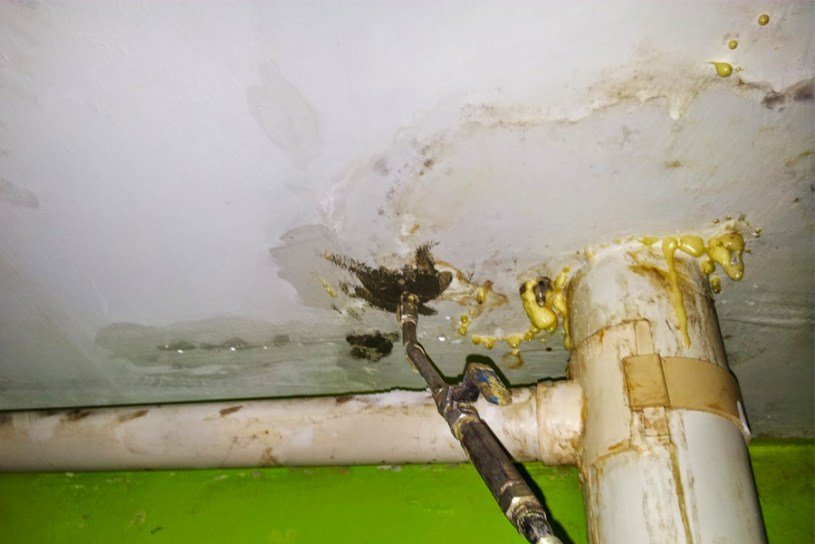
PU injection grouting to seal active leaks is one of the most effective methods available for stopping water ingress through concrete structures, and it is particularly well-suited to situations where water is actively flowing at the time of treatment. Unlike surface-applied membranes that require a dry substrate to bond correctly, polyurethane grout works in the presence of moisture and flowing water, reacting with that water to expand and form a seal within the crack or joint being treated.
How Polyurethane Injection Grouting Works
The process begins with drilling injection ports at defined intervals along the crack or joint to be treated. These ports are typically spaced at a distance equal to the thickness of the concrete element being treated. The spacing ensures that the injected material reaches all parts of the void before it reacts and sets.
Once the ports are installed, a low-viscosity polyurethane resin is injected under controlled pressure through each port in sequence. As the resin encounters moisture within the crack, a chemical reaction begins. The resin expands, sometimes to many times its original volume, filling the crack geometry and pressing outward against the concrete to form a mechanical seal.
The expansion rate and reaction speed are properties of the specific resin formulation. For active leaks where water is flowing, a faster-reacting, higher-expansion formulation is typically used to stop the flow quickly. For slow seepage or pre-emptive treatment of dormant cracks, a slower resin that allows better penetration of fine fractures may be more appropriate.
Where PU Grouting Is Used
PU injection grouting to seal active leaks is applied across a wide range of structural waterproofing situations in Singapore.
Common applications include:
- Basement retaining walls and slabs – where groundwater pressure drives water through construction joints, cold joints, and cracks in the concrete
- Water features and swimming pools – where water loss through structural cracks is unacceptable and access to the external face of the structure is not possible
- Underground carparks – where joints between slabs and walls are common failure points under the weight and movement of vehicles
- Lift pits and service ducts – often the lowest points in a building and subject to the highest groundwater pressure
- Water and wastewater infrastructure – concrete tanks, culverts, and pump houses where structural cracks compromise containment
In each of these applications, the key advantage of polyurethane injection is the ability to treat from the accessible face of the structure without excavation or membrane removal.
The Advantages Over Surface Membrane Repair
When a concrete structure has an active water leak, the instinct might be to apply a waterproofing membrane to the affected area. For most active leak situations, this approach does not work. Membranes require dry substrates and a stable surface to bond to. Water flowing through a crack at pressure will prevent a membrane from adhering and will find its way around any surface patch applied over a wet substrate.
Polyurethane grout injection addresses the problem from within the concrete rather than from the surface. Once the resin has reacted and cured within the crack, it forms a flexible seal that accommodates minor structural movement without reopening. This flexibility is particularly important in structures subject to thermal cycling, vehicle loading, or ground settlement.
Quality Factors in Successful Grouting
The effectiveness of a PU injection repair depends heavily on the skill and experience of the operatives carrying out the work. Several factors determine whether the treatment achieves a lasting seal.
- Correct port spacing – too far apart and the resin will not travel between ports, leaving dry zones. Too close together and excess resin may be injected without benefit
- Appropriate injection pressure – too low and the resin does not penetrate fine fractures. Too high and it may blow out ports prematurely or cause spalling in deteriorated concrete
- Resin selection – the formulation must match the application: active flow, slow seepage, crack width, and structural movement characteristics all influence product choice
- Sequential injection discipline – injecting through each port in sequence until resin emerges from the adjacent port confirms travel, preventing missed sections
Former BCA Chief Executive John Keung has emphasised that “technical competence is the foundation of trust in the construction industry.” For specialised treatments like PU grouting, that competence is not learnt from a product brochure. It comes from supervised practice across a range of site conditions.
After Treatment: Inspection and Follow-Up
A properly executed PU grouting treatment will stop active leakage at the point of treatment. After curing, the treated area should be inspected to confirm that no water is bypassing the grouted zone through adjacent cracks or joints that were not treated in the initial scope.
For active leak sealing in Singapore buildings, a follow-up inspection twenty-four to forty-eight hours after treatment allows any residual seepage at adjacent locations to be identified and addressed before the structure is returned to full service.
For any building owner dealing with water flowing through concrete joints or cracks, PU injection grouting to seal active leaks offers a proven and reliable solution that works in conditions where surface treatments cannot.

