
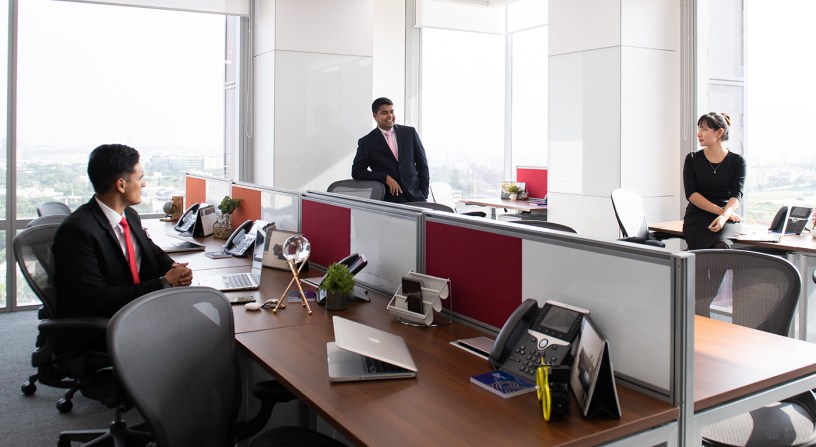
Office structure and design significantly influence how staff members communicate, work together, and come up with new ideas. Among the various office designs, open-office plans have become increasingly popular in modern workplaces, especially for teams that rely on creative collaboration, such as marketing departments. These designs promote collaboration, idea exchange, and community by doing away with physical obstacles like walls and cubicles. Open-office layouts can encourage teamwork, but they often have drawbacks regarding privacy, noise, and distractions. This article will examine the advantages and possible disadvantages of open-office layouts relating to teamwork and creative marketing.
Finding the Right Workspace
For businesses seeking flexibility and a conducive environment for collaboration, exploring offices to rent Northampton offers a variety of options tailored to modern needs. Many spaces in Northampton feature open-office layouts designed to encourage teamwork and creativity, making them ideal for marketing and innovation-driven teams. These rental offices often come with customizable layouts, allowing businesses to balance open spaces with private zones for focused work.
The Rise of Open-Office Plans
As companies looked to eliminate hierarchical boundaries and promote cross-departmental interaction, open-office layouts gained popularity in the latter half of the 20th century. The main attraction of the design is its adaptability. Employees can have impromptu conversations and build a sense of community by removing barriers. This arrangement frequently lowers real estate expenses because more people may fit in a smaller area.
Striking the Right Balance
Businesses are implementing hybrid layouts to solve the drawbacks of open-office models while optimizing their advantages. These layouts combine quiet areas with collaboration areas, allowing staff members to select settings that best fit their jobs. Dedicated brainstorming spaces with whiteboards and artistic supplies might improve idea generation for marketing teams.
The Role of Technology in Open Offices
Technology is essential to making open-office spaces as efficient as possible. Tools like virtual collaboration platforms, project management software, and noise-canceling headphones can resolve some of the layout’s issues. By utilizing these technologies, marketing teams may guarantee smooth communication and effective productivity even in a busy open-office environment.
The Psychological Impact of Open Offices
Open-office settings can impact employees’ mental health and, consequently, their creativity and teamwork. Although the open area promotes diversity, some staff members might find the continuous noise and activity too much for them. This mental exhaustion might hinder creative thinking and lower productivity. Conversely, a well-planned open office with ergonomic furnishings, natural light, and visually appealing features can raise spirits and vitality.
Customizing Open Spaces for Marketing Teams
Because they emphasize brainstorming and creative cooperation, marketing teams frequently have different needs than other departments. Businesses can tailor open-office plans to meet these demands. For example, establishing interactive zones with written walls, breakout places for casual conversations, and digital tools for visual idea mapping can greatly increase the efficiency of open spaces for marketing.
Measuring the Effectiveness of Open Offices
How can companies assess whether an open-office design fosters or impedes creativity and teamwork? Measuring the layout’s impact is essential. The arrangement’s efficacy can be inferred from team innovation outputs, productivity measures, and regular employee feedback. This could entail monitoring the number of successful campaigns, the time it takes to generate ideas, and the general level of team satisfaction for marketing departments. By examining these indicators, businesses can make well-informed layout changes to better serve their teams.
Final Thoughts
Open-office layouts have advantages and disadvantages for teamwork and creative marketing. They can stimulate creativity and collaboration, but they can present privacy and concentration issues. Businesses can design spaces fostering teamwork and individual productivity by implementing hybrid layouts and helpful technology. Finding this balance is essential for marketing teams to succeed in the current competitive environment and spur innovation.
 Business Marketing Solutions