
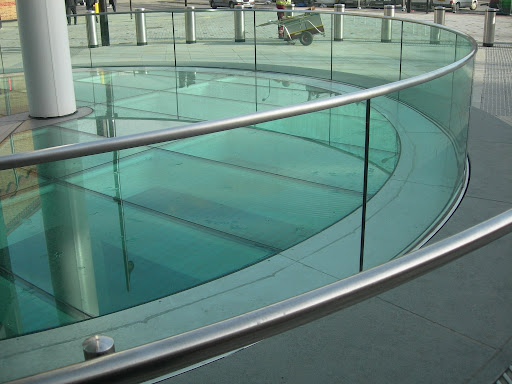
The art of glass bending is an orchestration of precision and beauty; where engineering meets artistry, and rigidity gracefully gives in to fluidity. From the splendid curves of modern architectural glass to the intricate contours of glass sculpture, the craft of bending glass has captured the imagination of craftsmen and designers for centuries.
In this comprehensive exploration, we will share the captivating tale of glass bending – from its rooted history to the cutting-edge technologies shaping its future. Our aim is to not only illuminate the process of bending glass but to also reveal the creative expressions and innovative applications that have risen from this beguiling craft. Buckle up as we take a magnified look at the intricate dance of fire and form, and the invisible threads of art and precision that hold it all together.
The Historical Dance of Glass and Flame
The Early Flickers of Glass Manipulation
The earliest inklings of glass bending can be traced back over 2,000 years, when craftsmen accidentally discovered that glass could be softened and reshaped by subjecting it to intense heat. What followed was an experimental era where artisans utilized fire and simple tools to whimsically morph glass into new forms, laying the groundwork for a tradition that has persisted through the ages.
The Renaissance Forge of Glass Bending
During the Renaissance, the practice of glass manipulation and bending was refined. Artists and inventors developed rudimentary ovens, known as glost kilns, which allowed for controlled heating of glass for bending and shaping. This period marked a significant leap in the ability to bend glass with precision for custom applications, such as in the crafting of ornate stained glass windows that adorned cathedrals across Europe.
The Modern Spotlight on Glass Bending
A Global Architectural Revolution
Fast-forward to the present, and the architectural world stands as a testament to the capabilities of modern glass bending. Landmarks such as the Burj Khalifa in Dubai and The Guggenheim Museum Bilbao in Spain showcase the dramatic curves and soaring expanses made possible by contemporary glass bending techniques.
Innovations in Sculptural and Functional Glass Art
The art world, too, has been captivated by the expressive potential of bent glass. From the whimsical sculptures of Dale Chihuly to the sleek, ethereal structures of Ann Robinson, contemporary artists continue to explore the boundaries of what is possible with glass bending, pushing the medium to its expressive and technical limits.
Step by Step: Mastering the Glass Bending Process
Precision Meets Intensity: Basic Glass Bending Techniques
The process of bending glass can be as simple as applying a focused heat source to a sheet of glass and allowing gravity to do its work. Basic techniques such as hot bending involve heating glass to a malleable state, then carefully manipulating it as it cools to retain the desired shape. Similarly, warm glass bending or slumping allows for the shaping of glass plates over or into a form.
The Role of Kilns in the Bending Ballet
Kiln-forming, or slumping, is a key process in glass bending that is achieved using a kiln. The glass is heated inside the kiln to the point where it starts to soften but doesn’t lose its shape. Once removed from the kiln, the glass is often gently shaped by hand before being returned to anneal.
Technological Cadenza: Innovations in Glass Bending
The CAD Conductor
The integration of CAD technologies has revolutionized the precision and complexity of glass bending. By simulating and designing intricate shapes in a virtual environment, CAD software empowers designers to push the limits of what glass can do before a single piece is heated.
The Automation Aria
Automated glass bending machinery, often controlled by the designs created in CAD systems, has streamlined and standardized the production of bent glass. These systems can precisely control temperature, cooling rates, and bending forces, producing high-quality, consistent results at a scale that was unfathomable to the artisans of previous eras.
Bridging the Historic with the Futuristic
Glass Bending as a Sustainable Art
In an age where sustainability is a growing concern, the practice of bending glass stands as a remarkably eco-friendly art form. The materials for glass – primarily sand, soda ash, and limestone – are abundant, and the process of bending glass necessitates less energy and resources than many other forms of metal or plastic fabrication.
The Spiritual Continuity of Glass Bending
Despite the heavy integration of technology, the craft of bending glass remains deeply grounded in tradition. The hand of the artisan still plays a vital role in the process, reminding us that while the tools may change, the reverence for the material and the magic of transformation remain eternal.
Looking Through the Bowed Glass
Everyday Applications of Bending Glass
Beyond the realm of high art and architectural marvels, bent glass finds its place in our everyday lives. It’s in the sleek smartphone screens that deliver our messages and the curved windshields that guide our automobiles. These applications, often unnoticed, are a testament to the ubiquity and versatility of bent glass.
A Future Refracted Through Curved Glass
The future of glass bending is as clear as the medium itself – a world of possibilities, limited only by the imagination. The potential for bending glass to continue reshaping our cities, our technologies, and our spaces with innovative forms, energy-efficient glazing, and sustainable materials is immense.
In conclusion, the fascinating interplay of technique and technology in the world of glass bending showcases a craft that is both timeless and at the cutting edge of innovation. It invites us to contemplate not only the beauty of form but also the ingenuity required to create and manipulate it. The art and science of bending glass are undoubtedly on a trajectory of continued growth and exploration. By understanding and appreciating the intricate processes and historical significance behind this craft, we gain a richer perspective on the wonders both within and beyond the glass.
 Business Marketing Solutions